 Search













Description
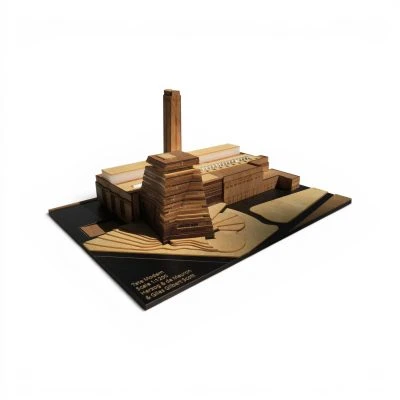
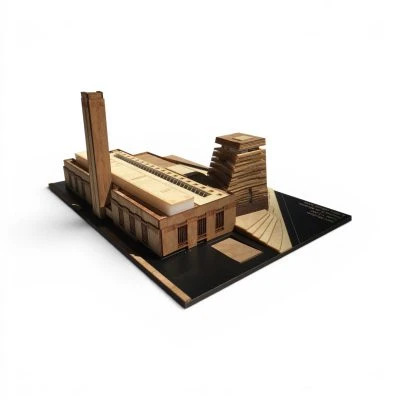
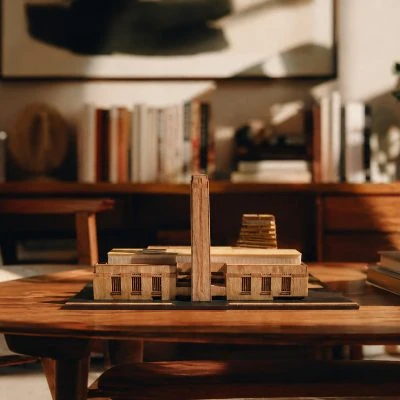
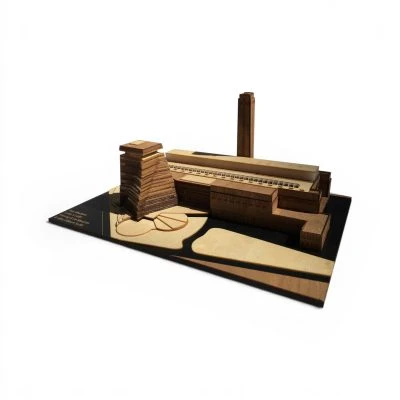
A ready-to-assemble architectural model kit of Tate Modern in London, one of the world’s most important examples of adaptive reuse in contemporary architecture.
Housed in the former Bankside Power Station, Tate Modern tells two architectural stories at once. The original oil-fired power station, designed by Sir Giles Gilbert Scott, gave London a monumental brick industrial landmark on the south bank of the Thames. After the building stopped generating electricity in 1981, it stood dormant for years before Tate selected the site for a new museum of modern and contemporary art.
The transformation was led by Herzog & de Meuron, who converted the massive industrial shell into Tate Modern, opened to the public in 2000. Rather than erase the building’s power-station identity, the architects preserved and intensified its scale, material presence, and urban drama. The vast Turbine Hall became a public interior street, while new galleries, circulation routes, and light-filled interventions gave the former industrial structure a new cultural life.
From an architectural standpoint, Tate Modern is significant because it changed how museums could be made. It showed that a major cultural institution did not need to begin with a blank slate or a pristine new object. Instead, architecture could work with an existing structure, drawing strength from its history, mass, and imperfections. The later Blavatnik Building extension, also designed by Herzog & de Meuron, continued this approach with a dynamic brick form rising from the former oil tanks and connecting old and new into one larger museum complex.
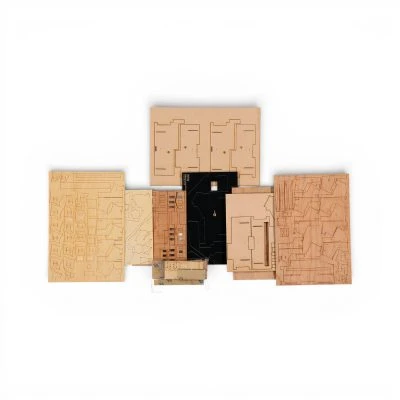
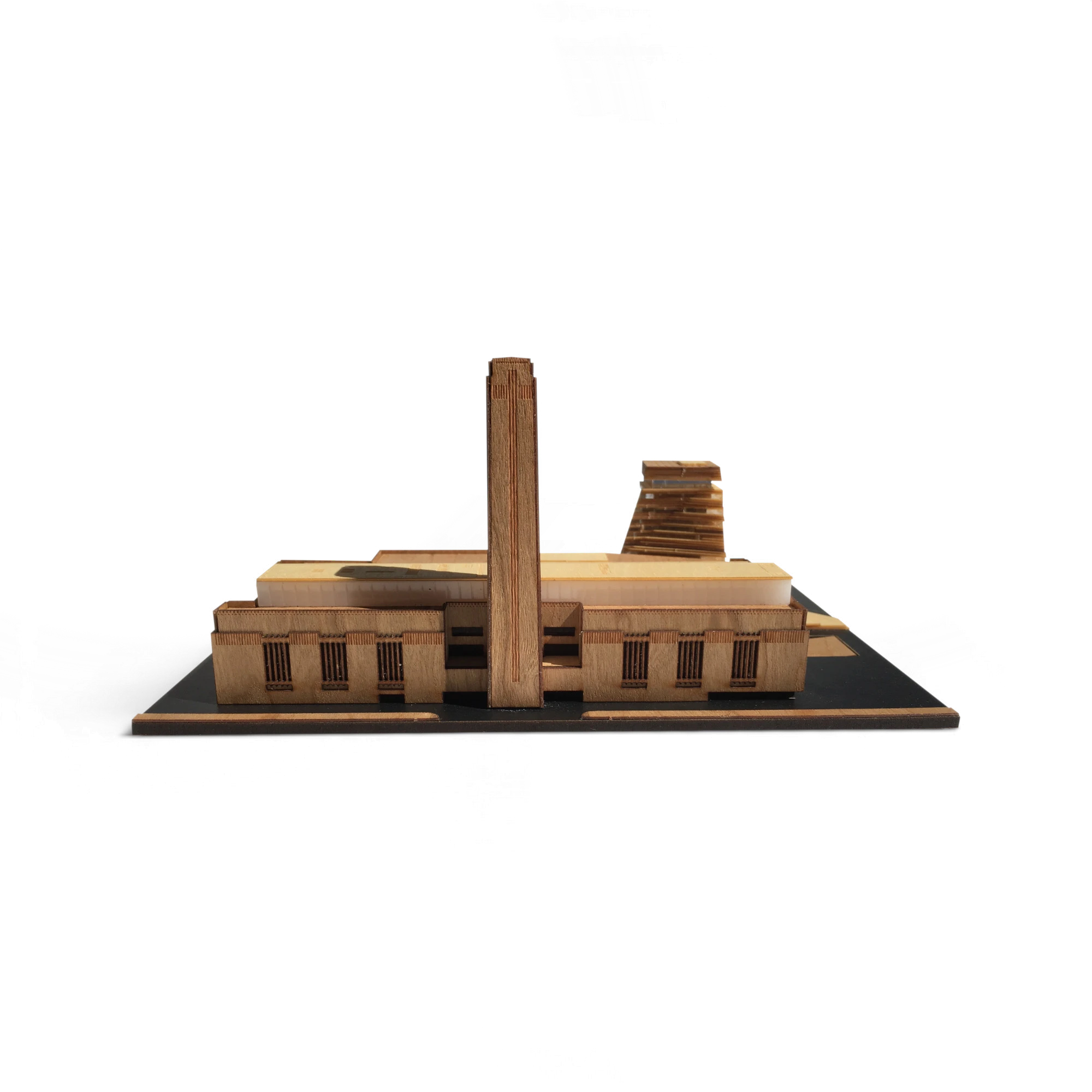
Made by Little Building Co., this 1:1200 scale wooden architectural model kit recreates Tate Modern’s distinctive composition, including the long brick power-station volume, central chimney, Turbine Hall, and angular Blavatnik Building. Crafted from Aspen, American Cherry, Black Maple, MDF, and acrylic, the model offers a hands-on way to study a landmark that helped define contemporary museum design, urban regeneration, and the creative reuse of industrial architecture.
The kit includes clear, stage-by-stage assembly diagrams. A small amount of PVA wood glue, a single-edge razor blade, and masking tape are required but not included.








Reviews