 Search






Description
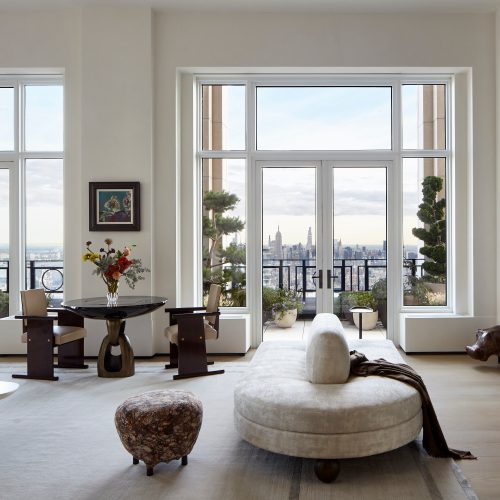
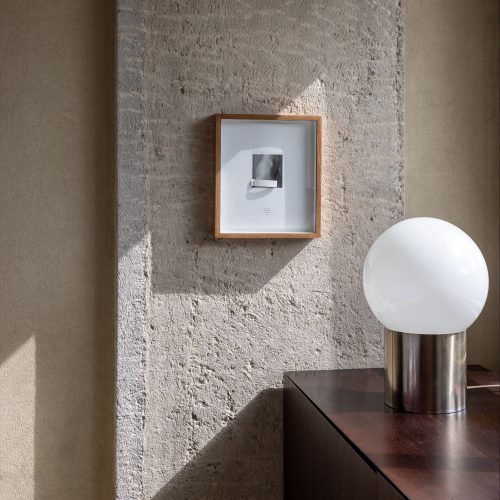
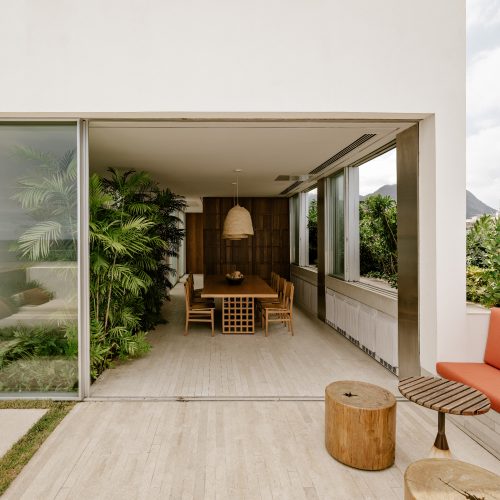
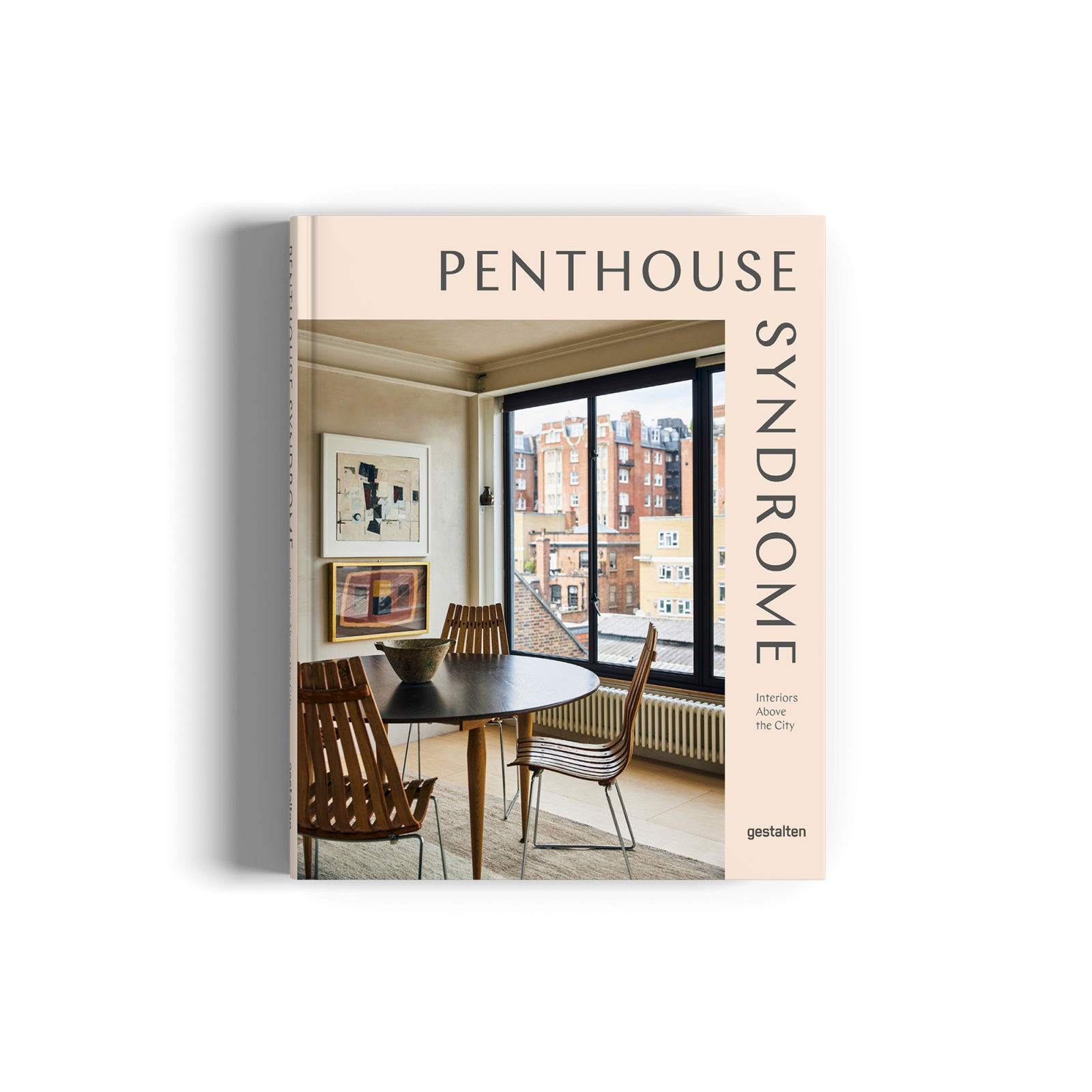
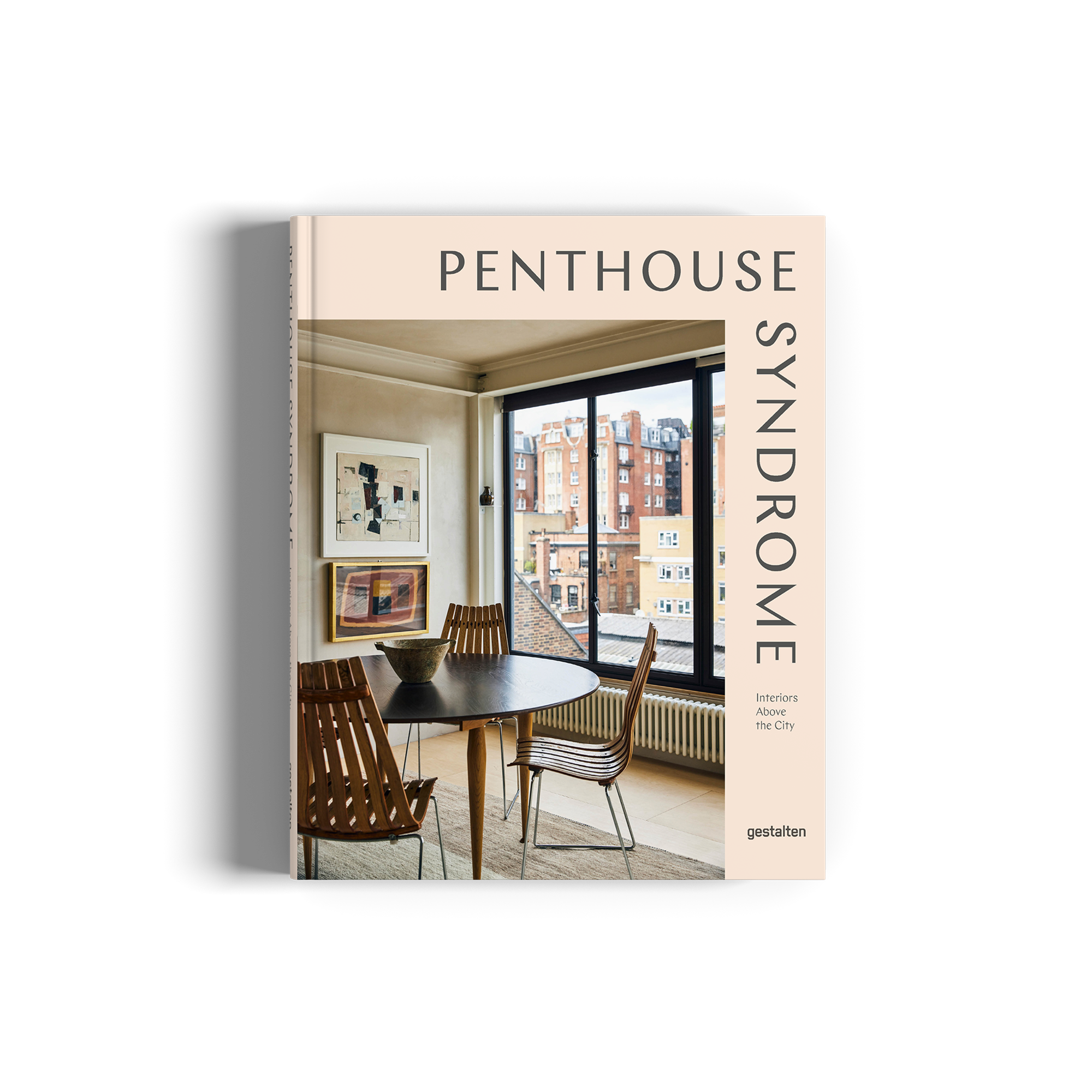
Penthouse Syndrome looks at what happens to domestic space when it leaves the ground. These interiors sit high above their cities, where distance changes how rooms are used, how scale is perceived, and how privacy is constructed.
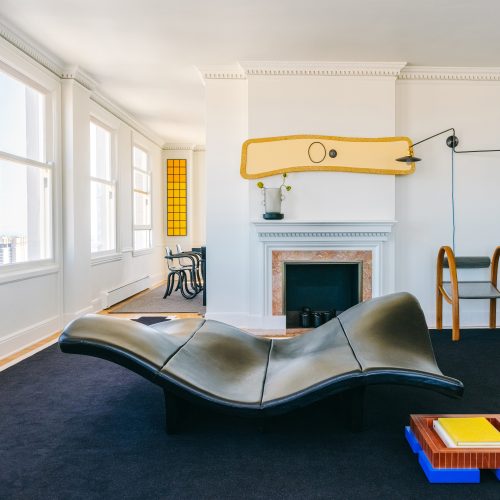
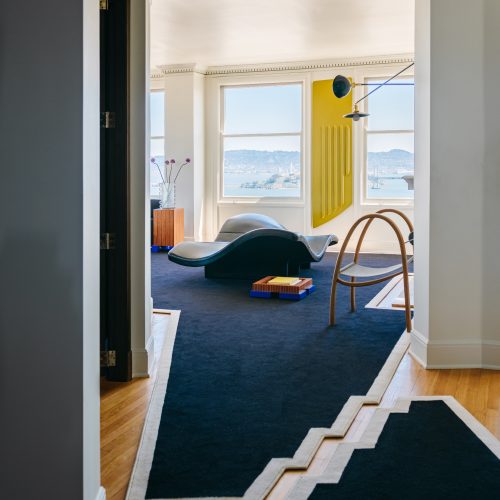
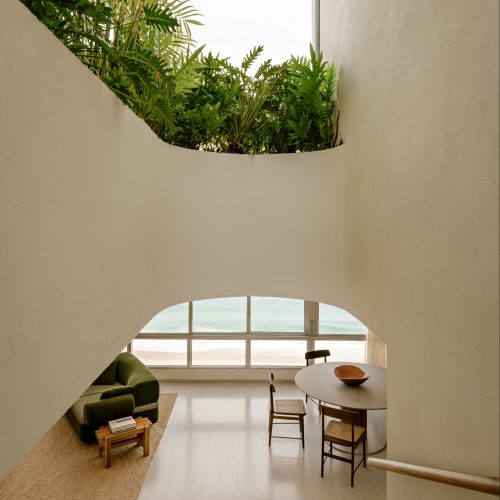
The book moves through a series of residences across cities like New York, Shanghai, São Paulo, Berlin, Paris, Antwerp, and Québec City. What connects them is not style, but position. At this height, views become structural elements, and interiors often respond by turning inward—through material choices, light control, and carefully defined zones.
Many of the spaces featured are the personal homes of architects and designers. That detail matters. These are not speculative showpieces, but places shaped by long-term living. You see how designers handle separation from the street, how they soften scale, and how they introduce intimacy into spaces surrounded by glass and skyline.
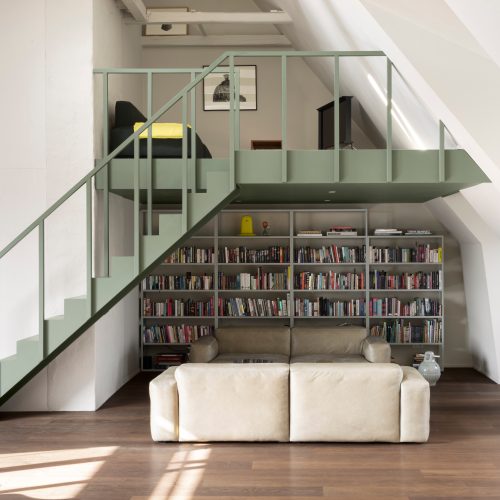
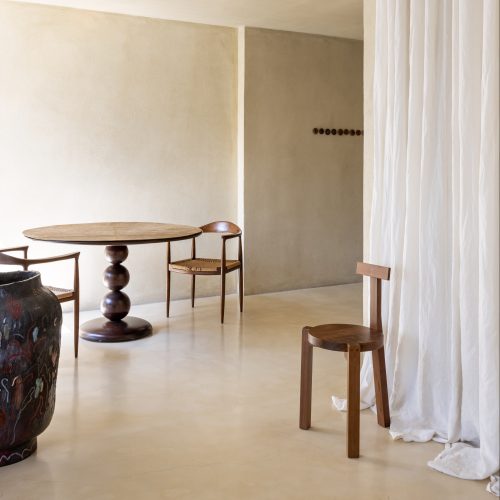
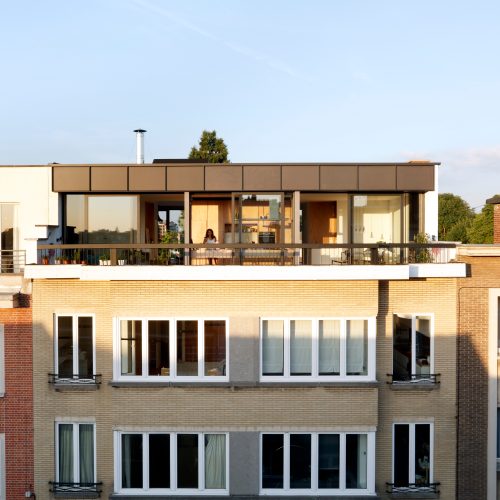
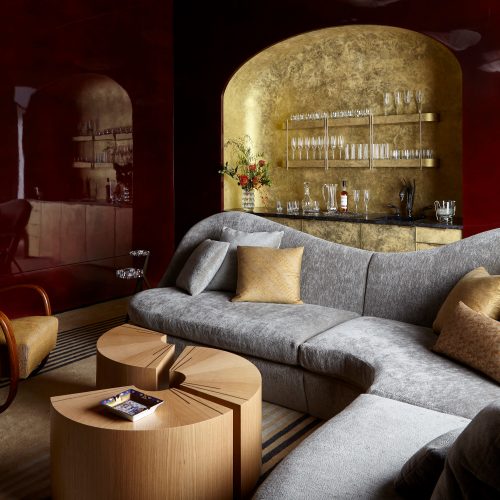
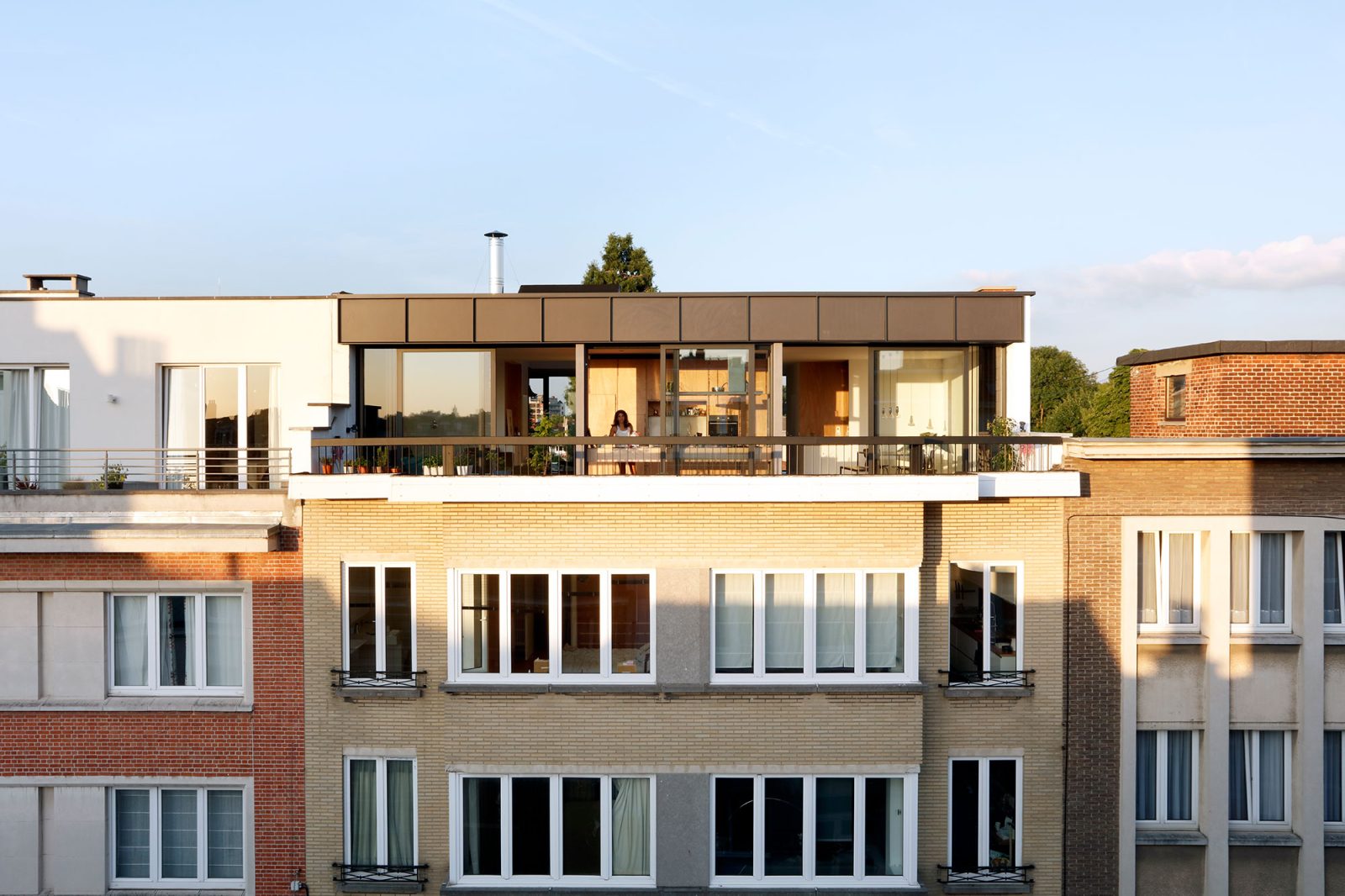
Projects range from the near-monastic calm of São Paulo apartments to highly specific interiors like the Tribeca penthouse with its dark, enclosed media room—nicknamed the “vampire speakeasy”—designed as a counterpoint to the openness outside. Elsewhere, unused roof volumes are turned into layered living spaces, or entire upper floors are given over to leisure and social life.
Rather than presenting penthouses as symbols of luxury, Penthouse Syndrome treats them as a distinct housing condition. The book focuses on how people actually inhabit these elevated spaces, and what vertical living reveals about comfort, control, and contemporary ideas of home.
 Authentic Modern Design









Reviews