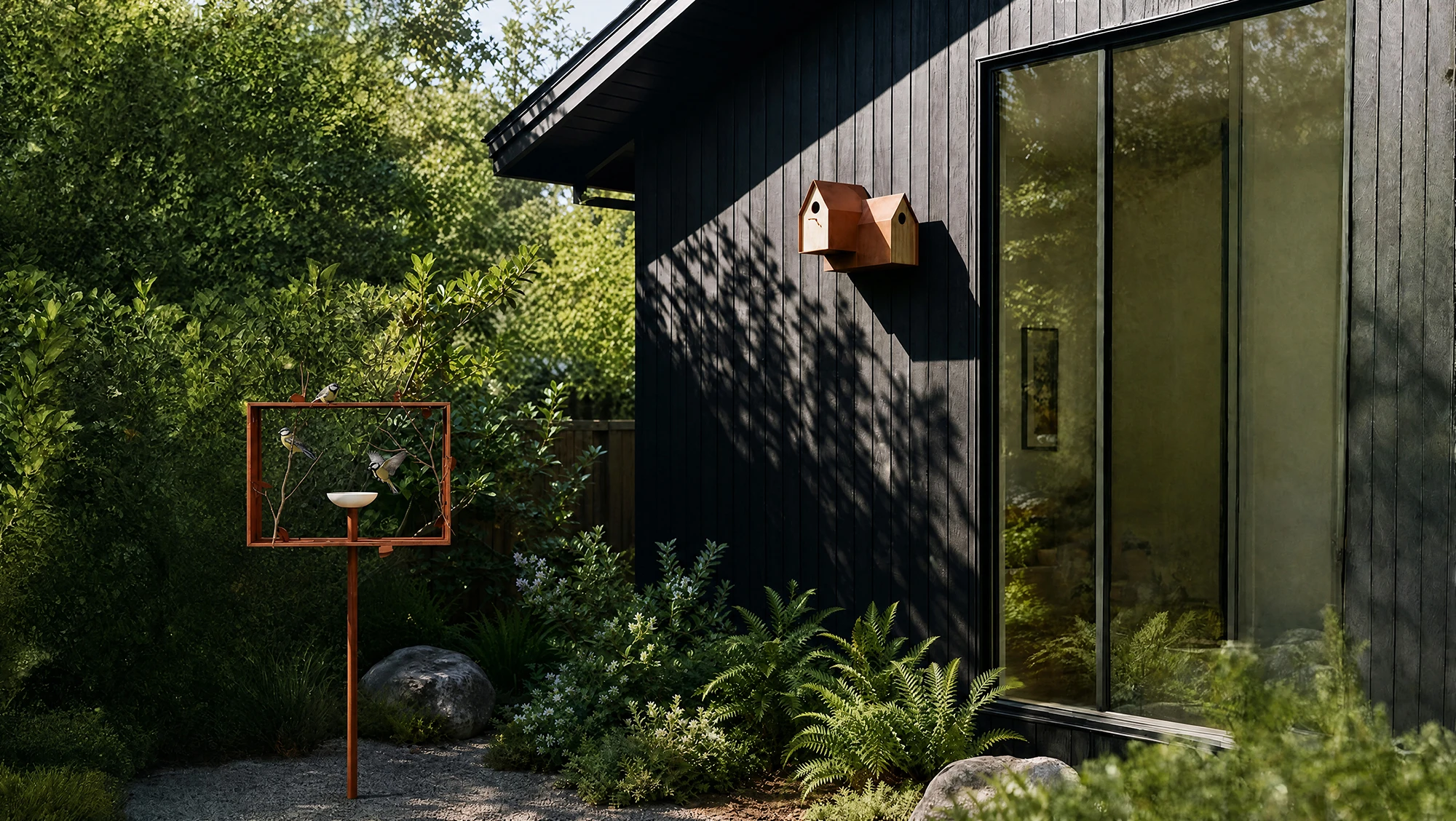
For nesting and shelter
For daily visits
Develops a natural patina
For gardens and patios
This collection brings nesting and feeding into the garden through
sculptural Corten steel forms. Each piece is built for outdoor
placement, with surfaces that weather naturally over time.

Corten steel weathers into a warm rust-colored surface that feels at home near planting, stone, wood, and gravel. The finish changes slowly over time and helps protect the metal beneath.

Made for nesting, feeding, and everyday garden visits, the collection gives small birds a place in the landscape while keeping the look architectural, durable, and refined.
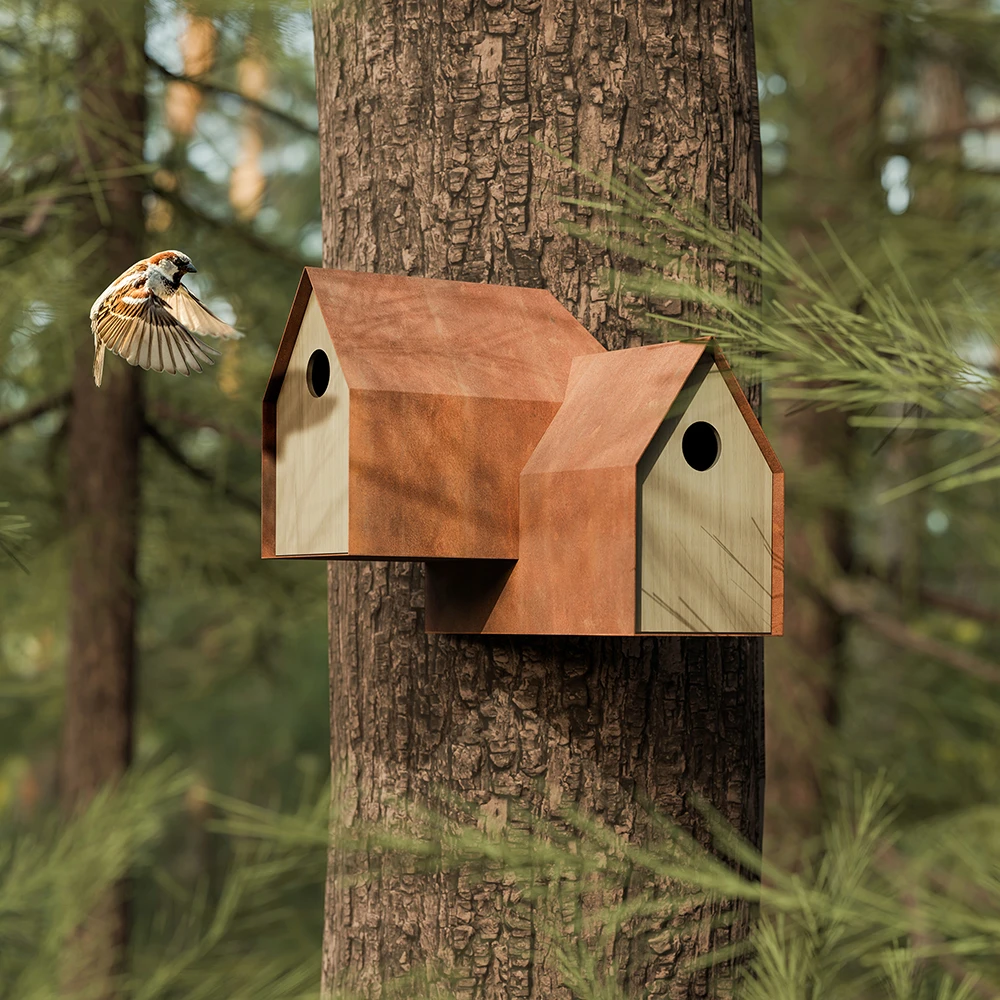
The Noaste Noaber birdhouses create shelter for small birds through a simple architectural idea: two neighboring houses, placed side by side. Available as a hanging version or a freestanding pole-mounted design, each one adds a quiet nesting point to the garden.
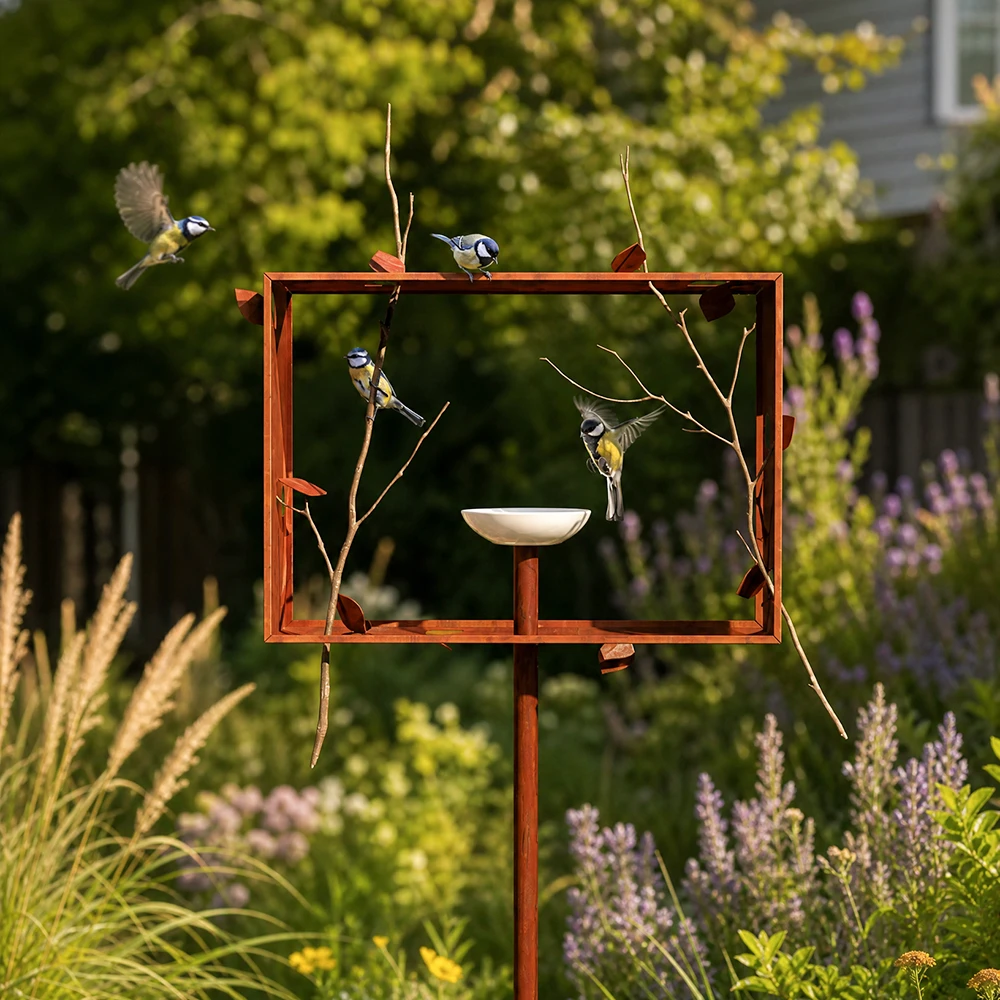
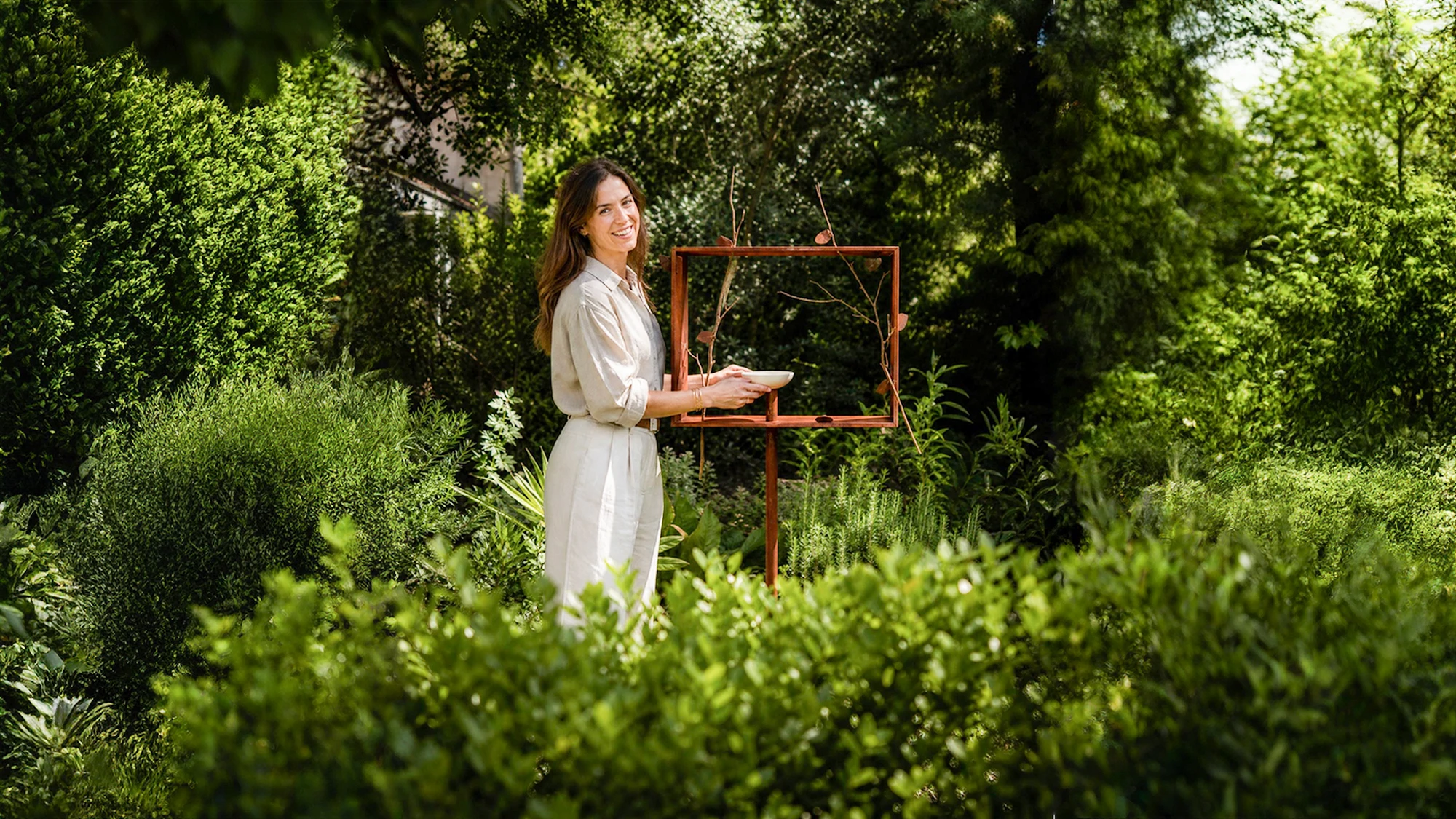
The feeders bring daily movement into the garden. Size Matters offers two feeding spaces in one sculptural Corten steel form, while The Framed turns feeding into a small outdoor scene, with branches, leaves, and a porcelain bowl for seed or water.
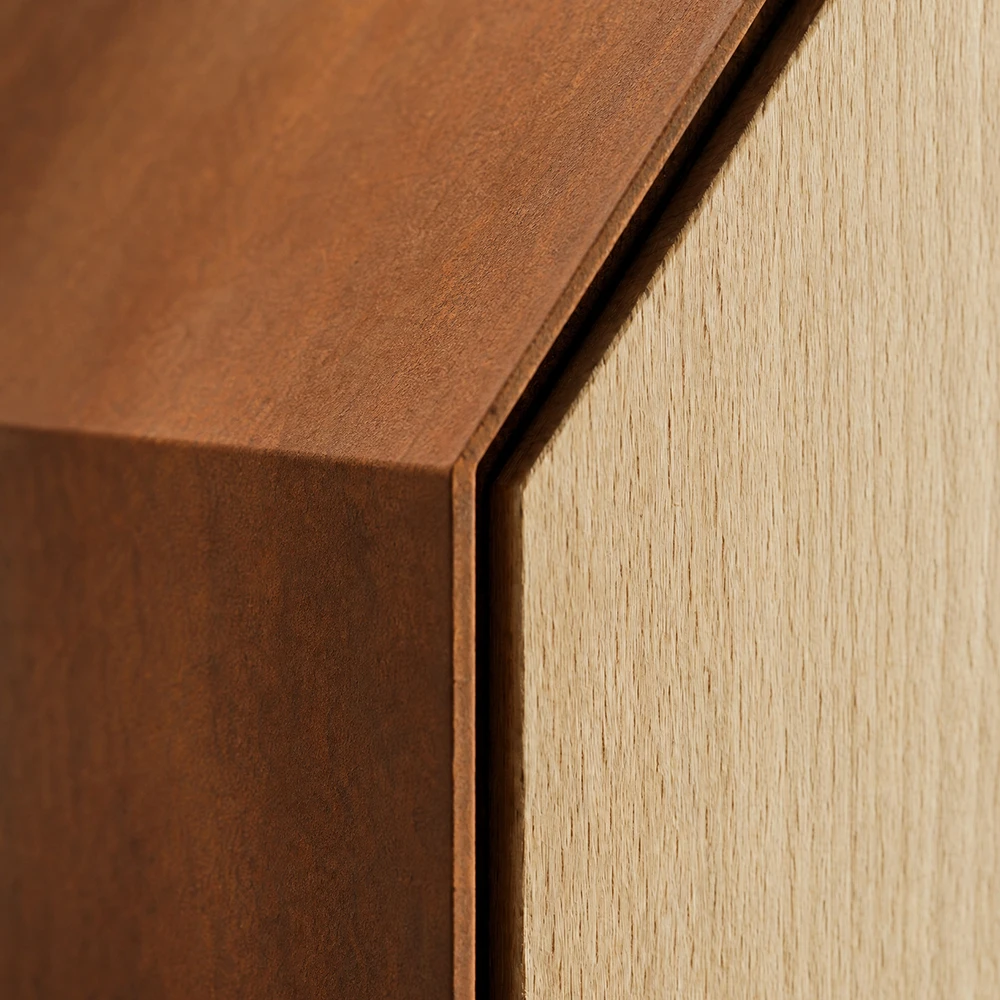
Corten steel changes slowly outdoors, developing a warm rust-colored patina that helps protect the metal beneath. Over time, the pieces become less like added accessories and more like part of the garden itself.
From nesting houses to sculptural feeders, this collection brings birds
closer to the spaces where you live, gather, and spend time outdoors.

Corten steel is a weathering steel made to develop a protective rust-colored patina outdoors. These birdhouses and feeders arrive unweathered, with a raw steel appearance, and gradually change color after exposure to rain, humidity, and air.
No. They arrive looking like steel. The warm rust-colored surface develops naturally once the pieces are placed outdoors. The timing depends on climate, exposure, rain, humidity, and placement.
Yes, there is setup and assembly, but HIIVE is designed to be simpler than a more cumbersome fixed installation. The product page says it includes a pole and ground sleeve and can be set up quickly, even on uneven or overgrown terrain, without building a separate base. At the same time, the official user guide includes dedicated setup and building steps for the pole, insulation parts, brood chamber, honey room, base, flight deck, and final setup, so this is not a zero-assembly product straight out of the box.
Yes. The surface will keep evolving as the steel weathers. At first, the color may appear uneven or patchy; over time, it becomes richer, warmer, and more settled.
Yes. The collection is designed for outdoor placement in gardens, patios, terraces, and planted landscapes. The material is intended to weather naturally and become part of the outdoor setting.
Place birdhouses in a quieter part of the garden, away from heavy foot traffic and harsh exposure. In warmer climates, especially in areas with strong afternoon sun, choose a shaded or partially shaded location.
Choose a visible but sheltered spot where birds can approach safely. A garden bed, patio edge, or planted area works well. Avoid placing feeders too close to large untreated windows, where birds may be at risk of collision.
Yes. Any feeder or water bowl used by birds should be cleaned regularly. Remove old seed, rinse the bowl or feeding area, and keep water fresh if used. This helps make the feeder a healthier place for visiting birds.
Choose a birdhouse if you want to offer nesting shelter for small birds. Choose a feeder if you want more visible daily activity in the garden. The hanging birdhouse works well for trees, walls, or smaller spaces, while the freestanding and pole-mounted designs create a stronger sculptural presence outdoors.
 Search


